Unlocking Your Strength: The Surprising Benefits of Barre Workouts
- lcf154
- Feb 17
- 3 min read
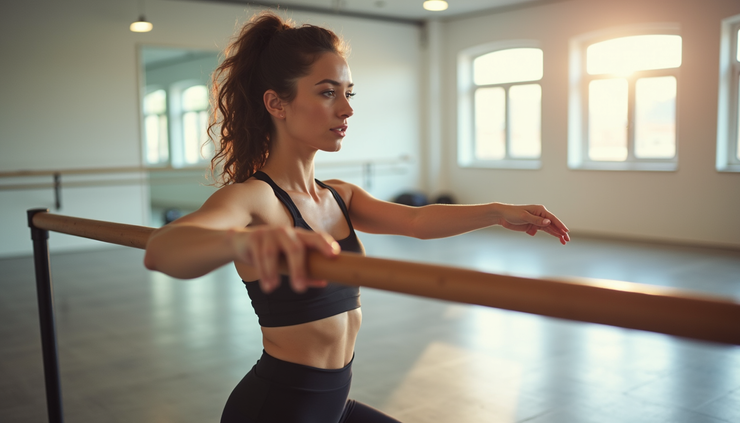
Barre workouts have gained popularity as a unique fitness approach that blends elements of ballet, Pilates, and yoga. Many people are drawn to barre because it offers a full-body workout that is low-impact yet highly effective. If you have not tried barre yet, you might be missing out on a powerful way to build strength, improve posture, and enhance flexibility. This post explores the surprising benefits of barre workouts and why they deserve a place in your fitness routine.
What Makes Barre Workouts Different
Barre workouts focus on small, controlled movements that target specific muscle groups. Unlike traditional weightlifting or cardio exercises, barre emphasizes isometric holds and repetitive motions that engage muscles deeply without heavy strain on joints. This makes barre accessible to people of various fitness levels, including those recovering from injuries or looking for a gentler workout.
The combination of ballet-inspired moves with Pilates and yoga principles creates a balanced routine that improves strength, flexibility, and balance simultaneously. Barre classes often use props like light weights, resistance bands, and the ballet barre itself to enhance muscle engagement.
Building Strength Without Bulk
One of the most surprising benefits of barre is its ability to build lean muscle tone without adding bulk. Barre exercises focus on muscle endurance rather than maximum strength. By holding positions and performing small pulses, muscles work continuously, which helps sculpt the body and improve muscle definition.
For example, a typical barre move might involve holding a plié squat while pulsing up and down. This targets the thighs, glutes, and calves, building strength in those areas while improving stamina. Over time, this leads to a toned, strong physique that feels agile and balanced.
Improving Posture and Core Stability
Barre workouts place a strong emphasis on core engagement and proper alignment. Many moves require maintaining a neutral spine and activating deep abdominal muscles to support the body. This focus on posture helps correct common issues caused by prolonged sitting or poor habits.
Improved posture reduces the risk of back pain and enhances overall body awareness. A strong core also supports better balance and coordination, which benefits everyday activities and other forms of exercise.
Enhancing Flexibility and Mobility
Flexibility is often overlooked in strength training, but barre incorporates stretching and lengthening movements that improve joint mobility and muscle elasticity. The slow, controlled nature of barre allows muscles to stretch safely without overstressing them.
For example, moves that combine leg lifts with deep stretches help open the hips and hamstrings, areas that tend to become tight from sitting or repetitive motions. Increased flexibility reduces injury risk and makes movement feel easier and more fluid.
Low-Impact Exercise That Protects Joints
Barre workouts are gentle on the joints because they avoid high-impact jumping or heavy weights. This makes barre an excellent option for people with joint sensitivities, arthritis, or those recovering from injury. The controlled, precise movements strengthen muscles around joints, providing better support and reducing pain.
Because barre is low-impact, it can be done frequently without overtraining. Many practitioners find that consistent barre sessions improve their overall joint health and reduce stiffness.
Boosting Mental Focus and Mind-Body Connection
Barre requires concentration to maintain form and control during each movement. This focus helps develop a stronger mind-body connection, which can reduce stress and improve mental clarity. The rhythmic nature of barre also encourages mindfulness, similar to yoga or meditation.
Many people report feeling more centered and energized after barre classes. The combination of physical challenge and mental engagement makes barre a holistic workout that supports both body and mind.
Practical Tips for Getting Started with Barre
Find a beginner-friendly class: Look for studios or online classes that offer clear instructions and modifications.
Wear comfortable clothing: Barre requires freedom of movement, so choose stretchy, breathable fabrics.
Use a sturdy barre or substitute: If you don’t have access to a ballet barre, a countertop or sturdy chair can work.
Focus on form over speed: Precision is key in barre, so move slowly and control each motion.
Be consistent: Aim for 2-3 sessions per week to see noticeable improvements in strength and flexibility.
Who Can Benefit Most from Barre Workouts
Barre is suitable for a wide range of people, including:
Beginners looking for a gentle introduction to strength training
Dancers wanting to improve technique and endurance
Athletes seeking cross-training to enhance flexibility and core strength
Older adults aiming to maintain mobility and balance
Anyone recovering from injury who needs low-impact exercise
Because barre is adaptable, instructors often provide modifications to suit different fitness levels and needs.
Comments